
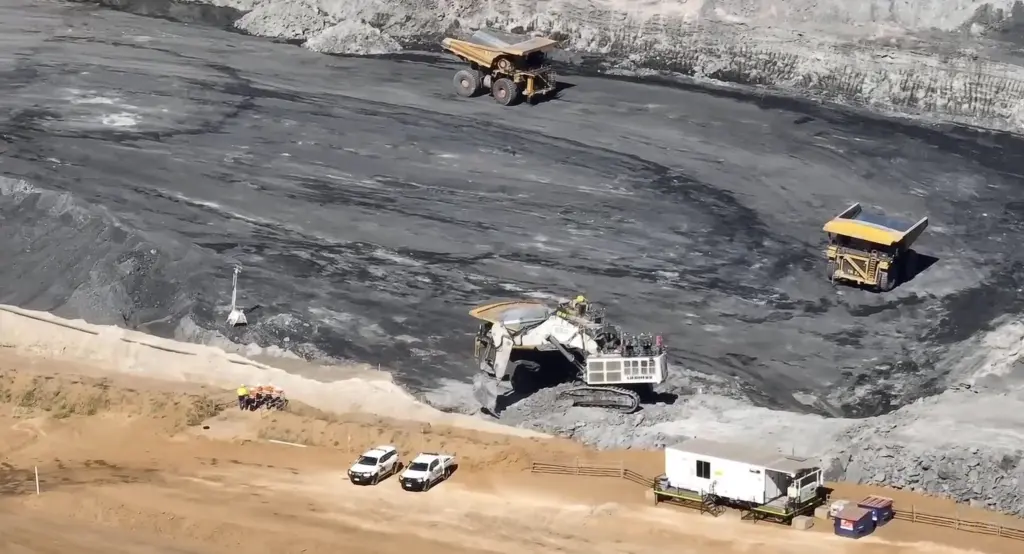
Mining environments present some of the most challenging operating conditions in the world. Heavy machinery, limited visibility, confined operating areas, mixed traffic zones, and long operating hours create significant safety risks. Even a minor lapse in awareness can lead to costly incidents affecting personnel, equipment, and productivity.
Modern mining operations are increasingly adopting intelligent Collision Prevention Systems (CPS) to reduce risk and create safer working environments.
Mine Safe Global delivers mining safety technologies designed for both surface and underground environments, helping operations improve safety awareness, operational visibility, and risk management.
What Is a Collision Prevention System?
A Collision Prevention System (CPS) is an advanced safety technology designed to detect vehicles, personnel, machinery, and surrounding hazards while providing real-time alerts or interventions to reduce collision risks.
Modern systems go beyond basic warning technology and may include:
- Real-time positioning
- Dynamic detection zones
- Predictive path analysis
- Vehicle-to-vehicle communication
- Personnel detection
- Live reporting and diagnostics
- Intervention functionality
Instead of reacting after an incident occurs, intelligent systems aim to identify and manage risk before a collision happens.
Why Collision Prevention Matters in Mining
Mining sites operate under constantly changing conditions. Vehicle routes change, work zones move, and equipment operates simultaneously in shared spaces.
Common safety challenges include:
Limited Visibility
Large mining equipment naturally creates blind spots that can reduce operator awareness.
Mixed Traffic Environments
Mining operations often include:
- Haul trucks
- Excavators
- Support vehicles
- Light vehicles
- Contractors
- Visitors
- Personnel on foot
Fatigue and Human Factors
Long shifts and repetitive operating conditions can affect reaction time and concentration.
Equipment Protection
Collisions do not only impact safety. They may also cause:
- Equipment damage
- Production delays
- Maintenance costs
- Downtime
Key Features of Modern Collision Prevention Systems
Dynamic Detection Zones
Traditional static warning zones can create unnecessary alerts.
Modern systems can adjust detection areas based on:
- Speed
- Direction
- Vehicle movement
- Site conditions
Predictive Path Technology
Intelligent systems may calculate:
- Vehicle position
- Speed
- Travel direction
- Potential collision paths
Real-Time Diagnostics
Continuous monitoring helps identify:
- Sensor performance
- Communication status
- Hardware health
- System functionality
Fleet Integration
Modern systems can often support:
- Surface fleets
- Underground fleets
- Mixed equipment environments
- Existing machinery
Surface vs Underground Mining Requirements
Mining operations differ significantly depending on the environment.
Surface Mining Requirements
Surface operations generally require:
- Long-range monitoring
- Large vehicle awareness
- Wide-area visibility
- Fleet communication
Underground Mining Requirements
Underground operations often require:
- Confined-space awareness
- Reliable communications
- Low-visibility detection
- Increased situational awareness
How Mine Safe Global Supports Safer Mining Operations
Mine Safe Global develops safety technologies that help operations improve awareness and reduce operational risk.
Related Solutions:
- CxD Level 9 Collision Prevention Technology®
- Advanced Fatigue Monitoring System
- Mine Safe MI Machine Controller Interface
- Surface Missing Person Locator System
The Future of Mining Safety Technology
Mining safety technology continues evolving toward smarter and more connected systems.
Emerging developments include:
- Predictive risk analysis
- Intelligent reporting dashboards
- Advanced intervention systems
- Improved operational visibility
- Integrated safety ecosystems
The goal is shifting from incident response toward proactive risk reduction.
Frequently Asked Questions
What is a collision prevention system in mining?
A collision prevention system is a safety technology that detects nearby vehicles, personnel, and hazards to reduce the risk of collisions within mining operations.
Can collision prevention systems work underground?
Yes. Modern systems can be designed for both underground and surface mining environments.
Why are collision prevention systems important?
They help improve safety, reduce operational risk, protect equipment, and support safer working environments.
Can collision prevention systems reduce equipment damage?
Yes. Early detection and improved operator awareness can help reduce avoidable incidents and equipment damage.
Request a Demonstration
Improve safety awareness and operational visibility with advanced mining safety technologies.