
Understanding Collision Risks in Modern Mining Operations
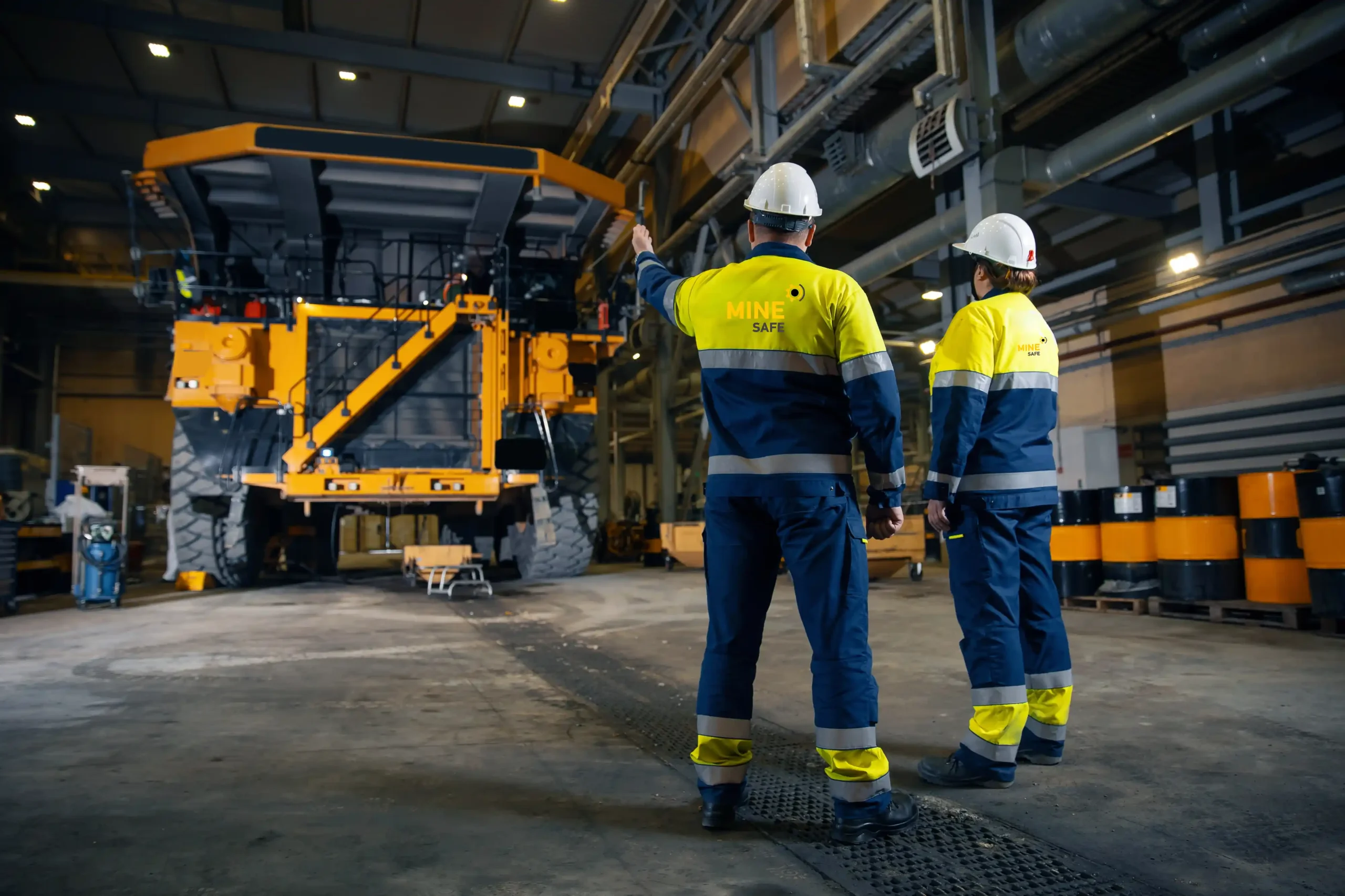
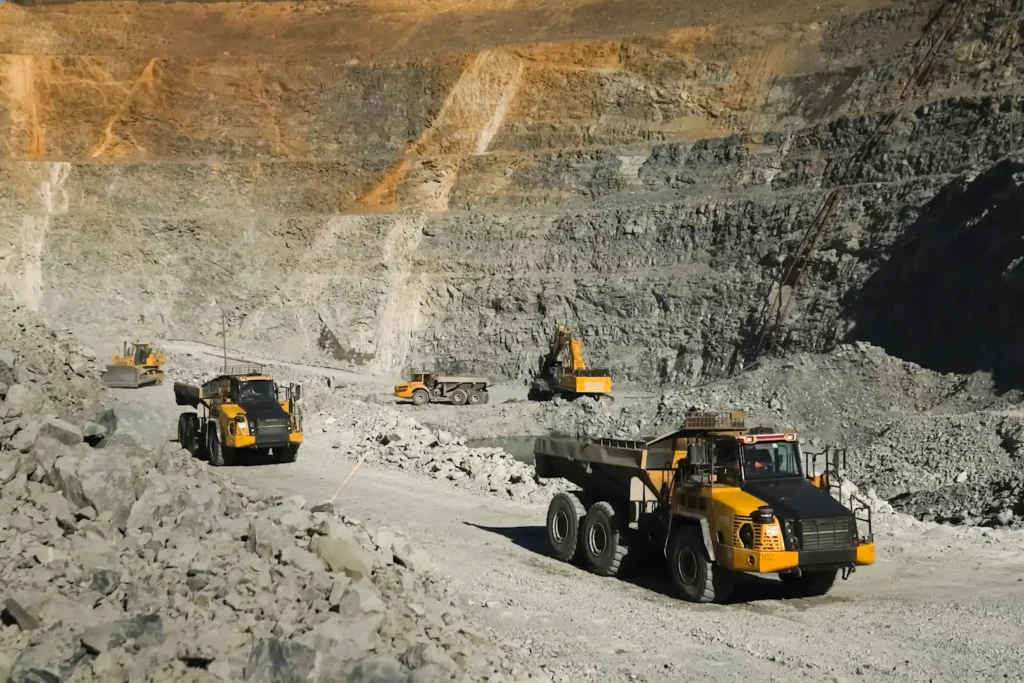
Mining operations involve some of the most challenging and hazardous environments in industry. Large haul trucks, loaders, excavators, light vehicles, and personnel frequently operate in close proximity. Factors including dust, poor visibility, blind spots, fatigue, environmental conditions, and complex traffic patterns create significant collision risks.
Traditional safety methods such as:
- Safety training
- Warning signage
- High-visibility clothing
- Traffic management plans
- Speed restrictions
As mining fleets become larger and more technologically advanced, relying solely on operator reaction time becomes increasingly insufficient.
This is where a Level 9 collision avoidance system becomes critical.
Learn what a Level 9 collision avoidance system is and how it protects mining operations through automated intervention, real-time detection, and predictive safety technology. Explore how it reduces collisions, improves compliance, and enhances worker safety.
A Level 9 Collision Avoidance System Explained
A Level 9 collision avoidance system is the highest level of mining collision prevention technology currently implemented within the EMESRT defensive control framework.
Unlike lower-level systems that provide warnings or recommendations, a Level 9 system introduces automatic machine intervention.
The system continuously monitors:
- Vehicle locations
- Machine speed
- Travel direction
- Pedestrian locations
- Environmental hazards
- Traffic movement patterns
When dangerous conditions are detected, the system can automatically:
- Reduce speed
- Apply machine intervention
- Override operator controls
- Bring equipment to a controlled stop
The objective is simple:
Prevent incidents before they occur.
How Level 9 Collision Avoidance Systems Work
Modern systems combine multiple technologies:
GPS Positioning
GPS enables precise outdoor tracking of equipment.
Benefits include:
- Vehicle tracking
- Route analysis
- Speed monitoring
Real-Time Location Systems (RTLS)
RTLS enhances location accuracy where GPS alone may be insufficient.
RTLS assists with:
- Underground positioning
- Indoor environments
- Plant areas
Proximity Detection Systems (PDS)
PDS technology continuously identifies nearby:
- Vehicles
- Workers
- Restricted zones
- Hazards
Intelligent Collision Detection
Advanced algorithms calculate:
- Direction of travel
- Speed differences
- Predicted paths
- Time-to-impact
Automated Machine Intervention
If risk thresholds are exceeded:
The system can automatically slow or stop equipment.
Benefits of Level 9 Collision Avoidance Technology
Reduced collision incidents
Real-time detection helps eliminate dangerous interactions before impact occurs.
Improved worker safety
Pedestrians gain additional protection.
Lower equipment damage
Preventing collisions reduces repair costs.
Reduced downtime
Fewer incidents lead to increased productivity.
Better regulatory compliance
Supports:
Level 9 vs Traditional Safety Systems
| Traditional Safety | Level 9 Technology |
|---|---|
| Relies on operator response | Automated intervention |
| Limited hazard prediction | Predictive analysis |
| Static safety zones | Dynamic intelligent zoning |
| Reactive approach | Preventative approach |
| Human decision-making only | Machine-assisted decision-making |
Common Applications for Level 9 Systems
Level 9 systems are commonly used in:
- Surface mines
- Underground operations
- Processing plants
- Haul roads
- Loading zones
- Restricted areas
- Mixed fleet environments
Frequently Asked Questions
Can Level 9 systems work with existing fleets?
Yes. Modern systems can integrate with both OEM and legacy equipment.
Can Level 9 systems reduce accidents?
Yes. Automated intervention significantly reduces incidents caused by delayed reactions and blind spots.
Are Level 9 systems ISO compliant?
Many systems are designed around ISO 21815 requirements.
The Future of Mining Safety
The mining industry is moving toward increasingly autonomous and predictive safety technologies. Level 9 systems represent a major advancement because they shift safety from reactive warnings toward proactive intervention.
Learn how our Level 9 Collision Avoidance System prevents mining incidents.